
Cutting-Edge Signal Processing Solutions
At Bloo Audio, we harness artificial intelligence (AI) and advanced digital signal processing (DSP) to deliver transformative solutions for industrial and scientific challenges. With over 25 years of expertise in DSP, our AI services combine state-of-the-art techniques to empower your applications.
AI Techniques:
- Machine Learning (ML): Logistic regression, support vector machines (SVM), and unsupervised learning for robust signal classification and anomaly detection.
- Deep Learning (DL): Convolutional Neural Networks (CNNs) and Autoencoders with custom DSP features like aT-CWT and ACSTFT for high-accuracy pattern recognition.
- Microphone Array Algorithms: MVDR beamforming and Ephraim-Malah denoising for multi-channel audio enhancement in noisy environments.
- DSP Preprocessing: Spectral analysis (FFT, wavelet transforms), mel-spectrograms, and voice activity detection (VAD) for optimized feature extraction.
Potential Applications:
- Industrial Monitoring: Real-time anomaly detection for machinery like valves, pumps, and motors in manufacturing and automotive systems.
- Environmental Analysis: Classification of acoustic events for smart cities, wildlife monitoring, and environmental research.
- Biological Signal Processing: Analysis of DNA sequences, bioacoustics, or physiological signals like ECG and EEG for genomics and medical diagnostics.
- Audio Forensics: Enhanced audio clarity for surveillance and legal applications in noisy settings.
- IoT Integration: Lightweight AI models for edge devices, enabling real-time signal processing.
Why Choose Our AI Services?
- Precision: Advanced ML/DL and DSP ensure high-accuracy signal analysis.
- Scalability: Solutions tailored for diverse industries, from factories to biotech labs.
- Innovation: Inspired by cutting-edge research, moving beyond traditional DSP.
AI-Driven Industrial Solutions
“Unsupervised Classification of Valve Sounds with CNN-Based Autoencoder”
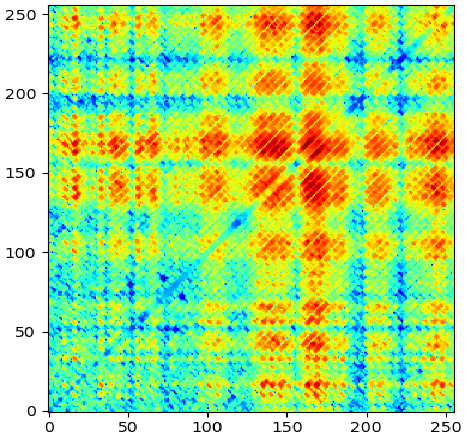
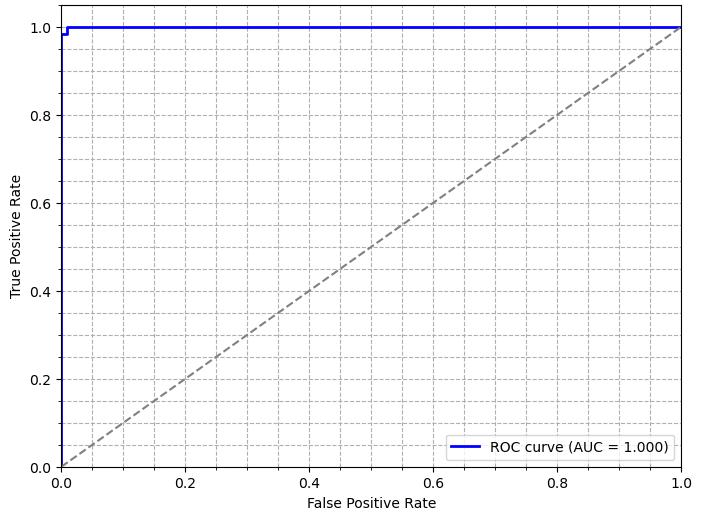
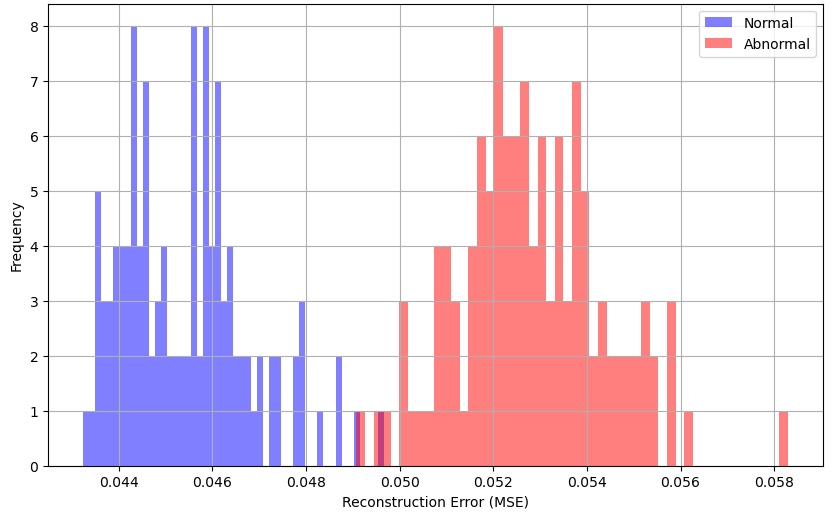
- Our AI model, trained on Hitachi’s MIMII dataset (CC BY-SA 4.0) from an 8-microphone array, uses a custom AC-STFT transform and CNN Autoencoder for unsupervised valve fault detection. With a 0.99 ROC-AUC on +6dB SNR signals, it denoises degraded -6dB SNR signals using MVDR beamforming and GSC, enhancing anomaly detection..
- Importance : Critical for predictive maintenance and robust industrial monitoring.
- Applications : Fault detection in bearings, motors, rotors, pumps, compressors, and valves. Ideal for rotating machinery and HVAC systems.
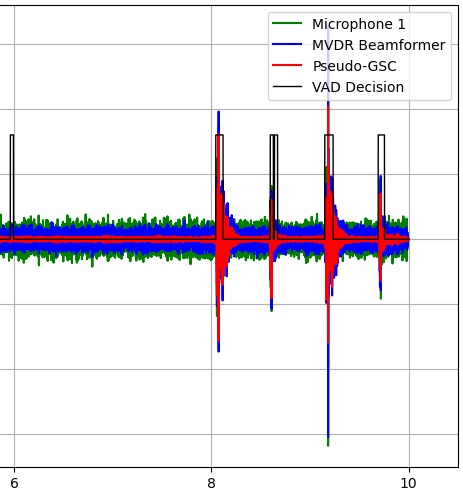
Denoised Valve Sound Signals with VAD Decision
Novel ACSTFT Transform (magnitude)
ROC-AUC= 0.99
Reconstruction error
(MSE)
“Deep Learning and Digital Signal Processing for Environmental Sound Classification”
Supervised Classification with a Convolutional Neural Network (CNN)
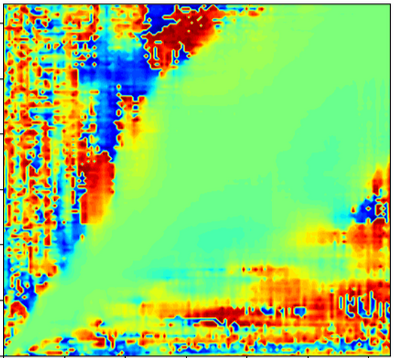
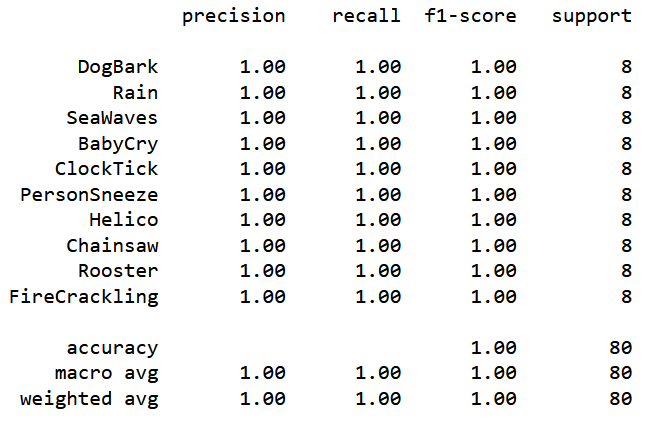
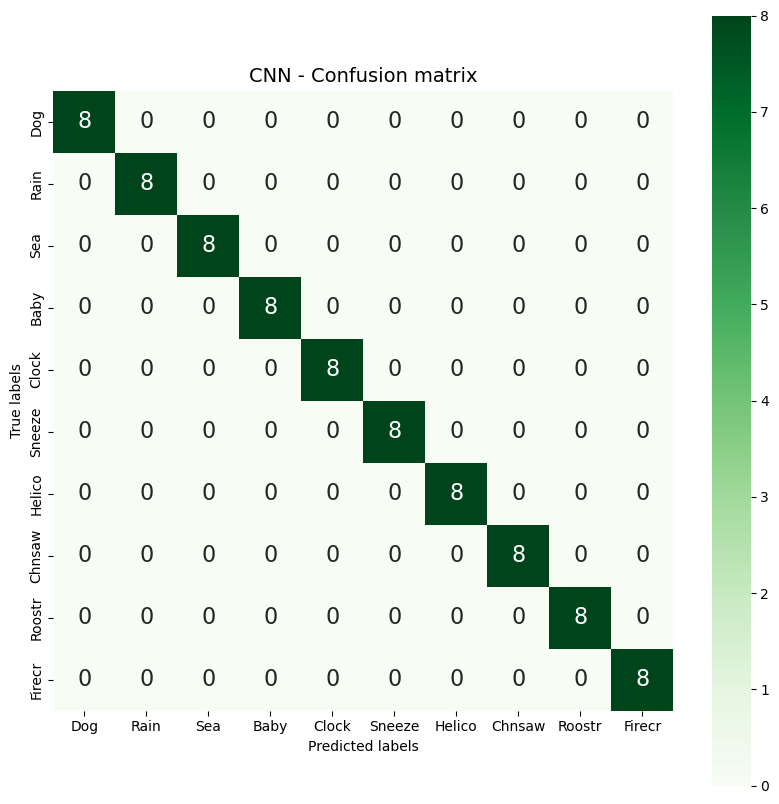
- Our AI leverages the ESC-50/ESC-10 dataset (Piczak, 2015, ACM MM) for supervised environmental sound classification. Using Multi-feature CNNs with mel-spectrograms and aT-CWT based on Complex Wavelet Transform, we achieve 99-100% accuracy, solving challenges like distinguishing sea waves from rain. aT-CWT enhances differentiation with Gaussian phase modeling.
- Importance: Essential for real-time audio monitoring and environmental analysis.
- Applications: Sound recognition in nature, urban settings, and safety systems. Industrial uses include smart manufacturing, environmental compliance, safety systems, infrastructure monitoring, and smart cities.
- Defense Industry: Identify and classify underwater sounds from passive sonars (hydrophones, hydrophone arrays) to detect submarines, marine life, or threats, with aT-CWT enhancing differentiation in noisy oceanic environments.
- Oil and Gas: Analyze pipeline or rig acoustics/vibration to identify leaks or machinery faults, using supervised learning for real-time monitoring in harsh conditions.
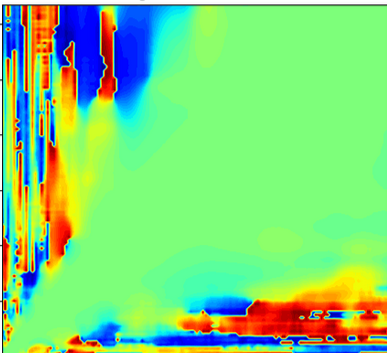
Sea wave aT-CWT transform
Rain aT-CWT transform
Classification report
Confusion matrix