Array 51


Introduction
 
Transitioning seamlessly into cutting-edge audio innovation, our microphone array technology targets the “voice interface” market with state-of-the-art miniature, low-power microphone systems. These solutions excel in high ambient noise rejection and reverberation cancellation, delivering exceptional audio clarity. Furthermore, we enhance this technology with Binaural and Ambisonics capabilities, offering immersive and spatially accurate sound experiences.
 
 
How It Works
 
We design highly directional microphone arrays, including linear, circular, and conformal configurations, to capture sound with precision. We  strategically position multiple microphones to optimize nearfield (e.g., headsets) and farfield applications, while advanced signal processing transforms raw data into actionable insights. Additionally, we integrate Binaural techniques to simulate natural hearing and Ambisonics for 360-degree audio capture, enriching the user experience. Consequently, clients enjoy robust audio solutions tailored to diverse environments.
 
Applications
 
Our technology powers a wide range of applications, including:

  • Speech recognition, where it enhances voice command accuracy.
  • Video and audio conferencing, delivering clear communication.
  • Voice identification, ensuring secure authentication.
  • Monitoring, security, and covert listening, providing discreet surveillance.
  • Automotive communication systems, improving in-car voice interactions.

Moreover, our solutions extend to immersive audio with Binaural and Ambisonics, ideal for virtual reality and spatial audio production.

 
Why Choose Us?
 
We actively innovate and refine our microphone array technology, blending Binaural and Ambisonics with robust DSP and AI techniques. As a result, you gain access to reliable, high-performance solutions that drive success across industries.
 

Microphone Array Applications 


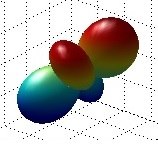
ARRAY51 Binaural beamformer – A validation

The interest for Binaural Beamforming appeared in the hearing aid industry, where improving speech intelligibility in the presence of interfering sound sources remains one of the most sought-after features.
Binaural beamforming uses signals from arrays on both ears. It respects the 3D sound perception.
Despite the compact array size, Binaural beamforming delivers robust noise reduction, excelling at low frequencies due to large inter-array spacing and leveraging head diffraction for enhanced attenuation in the medium range frequencies.

Applications

  • hearing aids and special earphones/headsets
  • Augmented Reality (AR) glasses.
  • 3D recording with ambiant noise attenuation
  • Real time 3D sound capture in the battle field, or for gaming
  • 3D perception of the attenuated ambient sound field (smart earplugs)
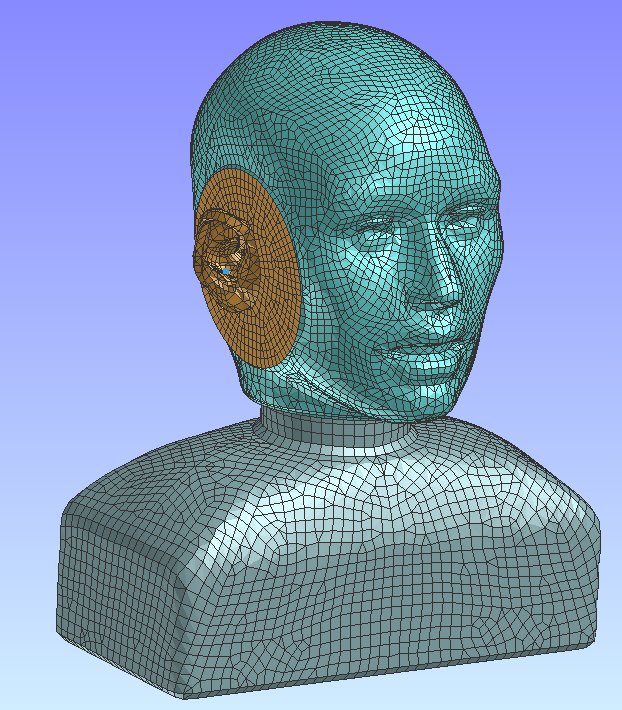
 

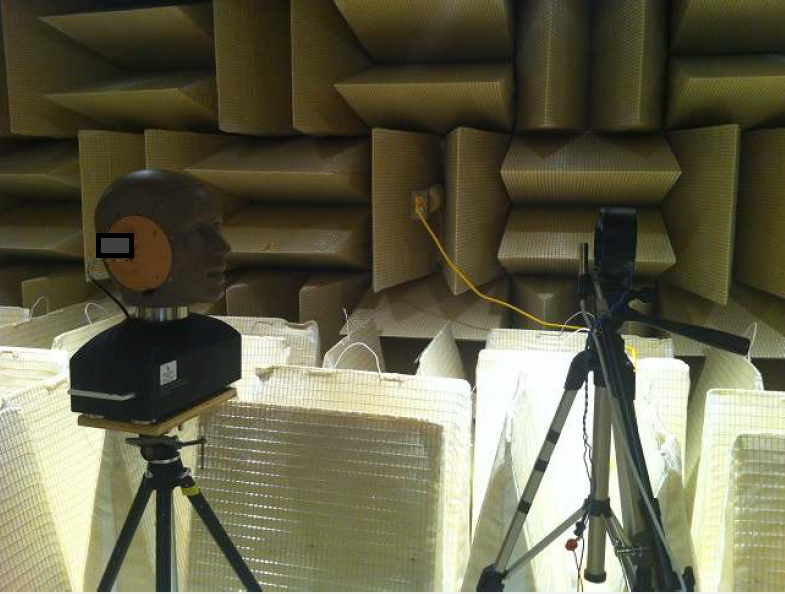
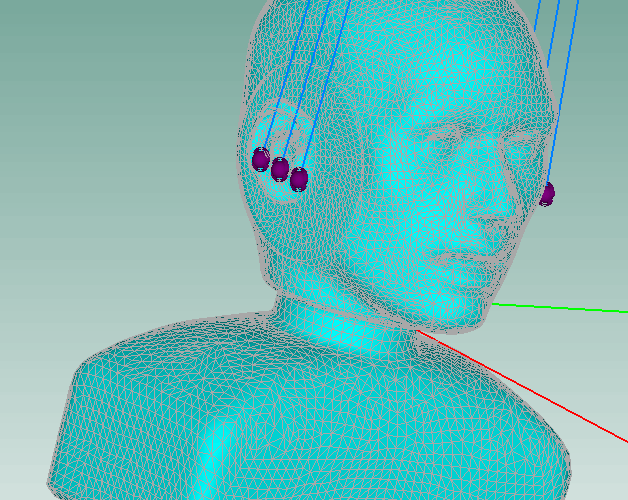
BEM model HATS
+ Microphones

Validations of HRTFs

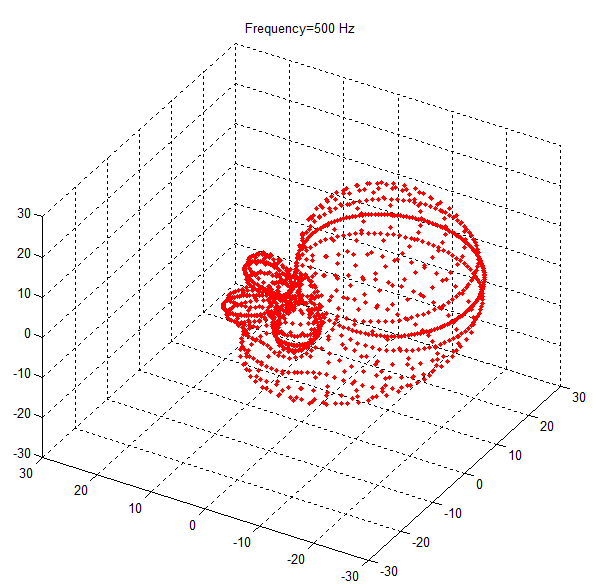
Simulated MVDR beampattern

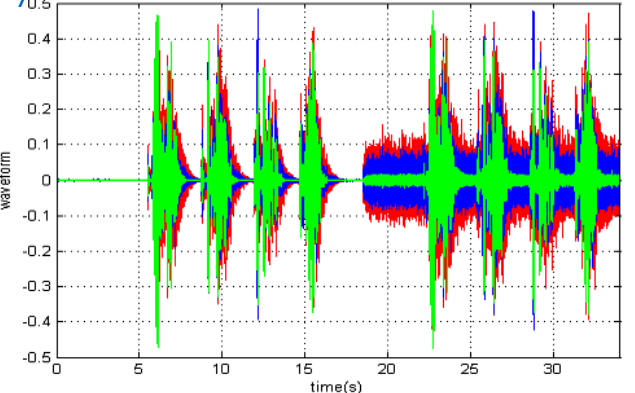
Audio waveforms: MVDR, MVDR+GSC
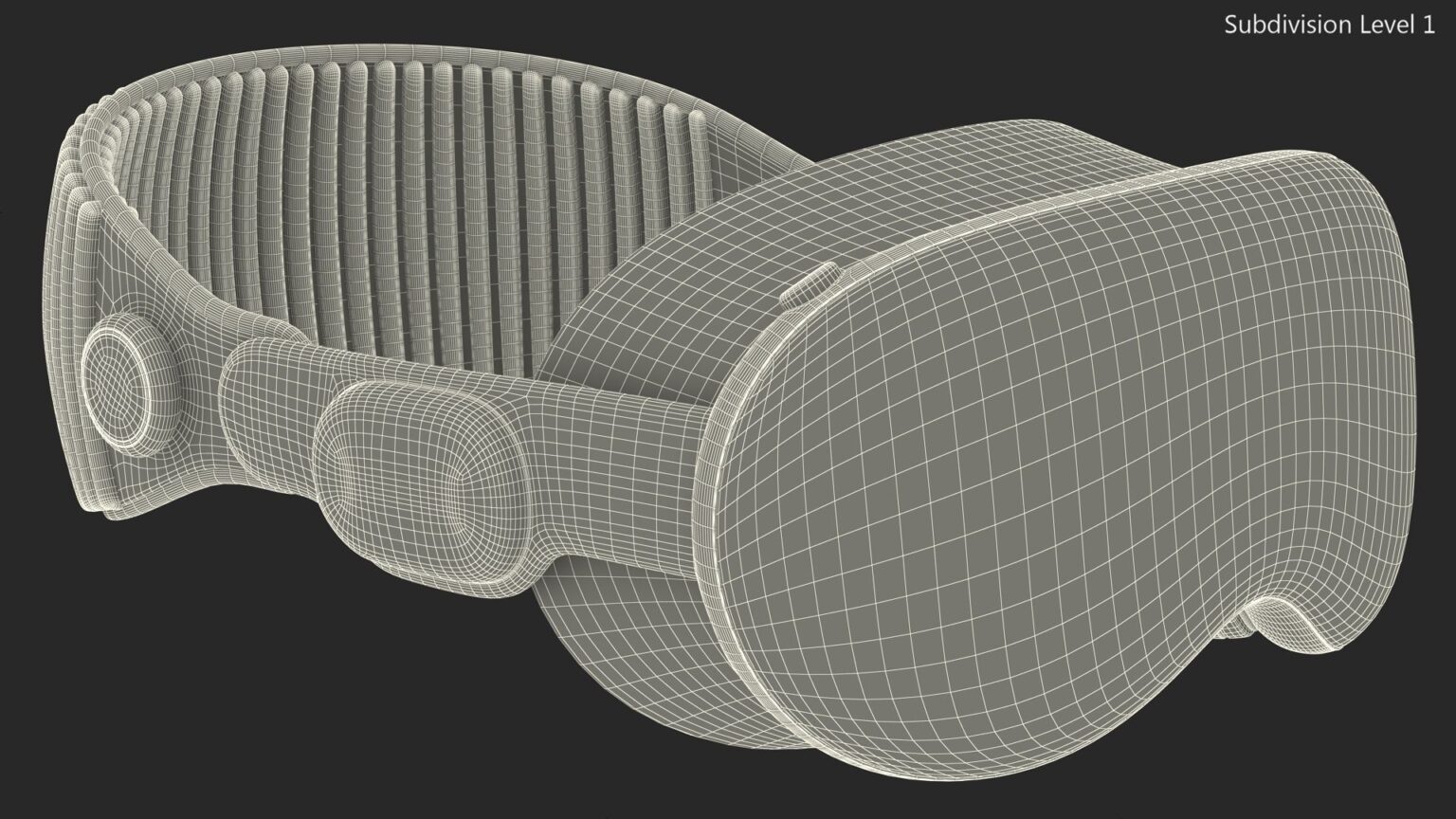
 
 
Ambisonics and VR Headsets
 
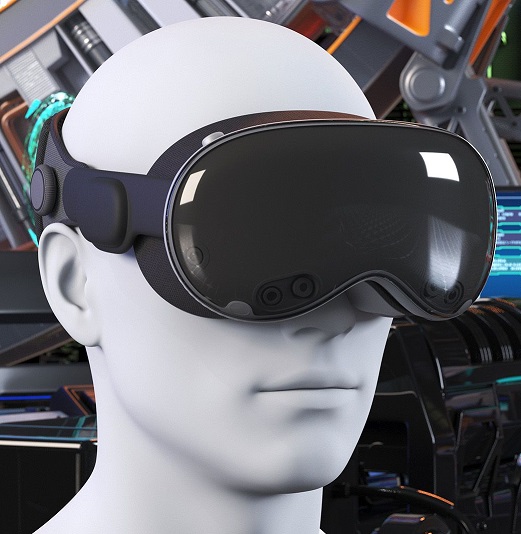
Higher-order Ambisonics requires a prohibitive number of microphones, posing a significant challenge for consumer VR headset integration. Our expertise fuses innovative microphone array design with HATS (Head and Torso Simulator) for advanced beamforming and spatial audio rendering. Leveraging Boundary Element Method (BEM) modeling and AI-driven upsampling techniques, we optimize sparse arrays (10-12 microphones) to reconstruct immersive 3D sound fields, addressing diffraction effects on complex geometries.
 
Importance: Pivotal for next-gen VR/AR immersion, enabling realistic HRTF rendering and noise-robust audio in constrained environments.
 
Applications: VR gaming, AR training


Generic VR Headset

Head-Mounted VR Headset
Head+VR headset mic array ambisonic harmonics